

Hey,
Google just released a new model called Gemini 4 Neon, and I’ve been using it for the past few days.
Unlike previous Gemini models, it’s actually incredible at coding and design. In my testing, it’s on par with Opus 5.5 while being faster and cheaper. It’s probably one of the best models I’ve ever used.
I’m not switching from Claude Code yet, though.
How does it compare with Claude Opus 5.5?
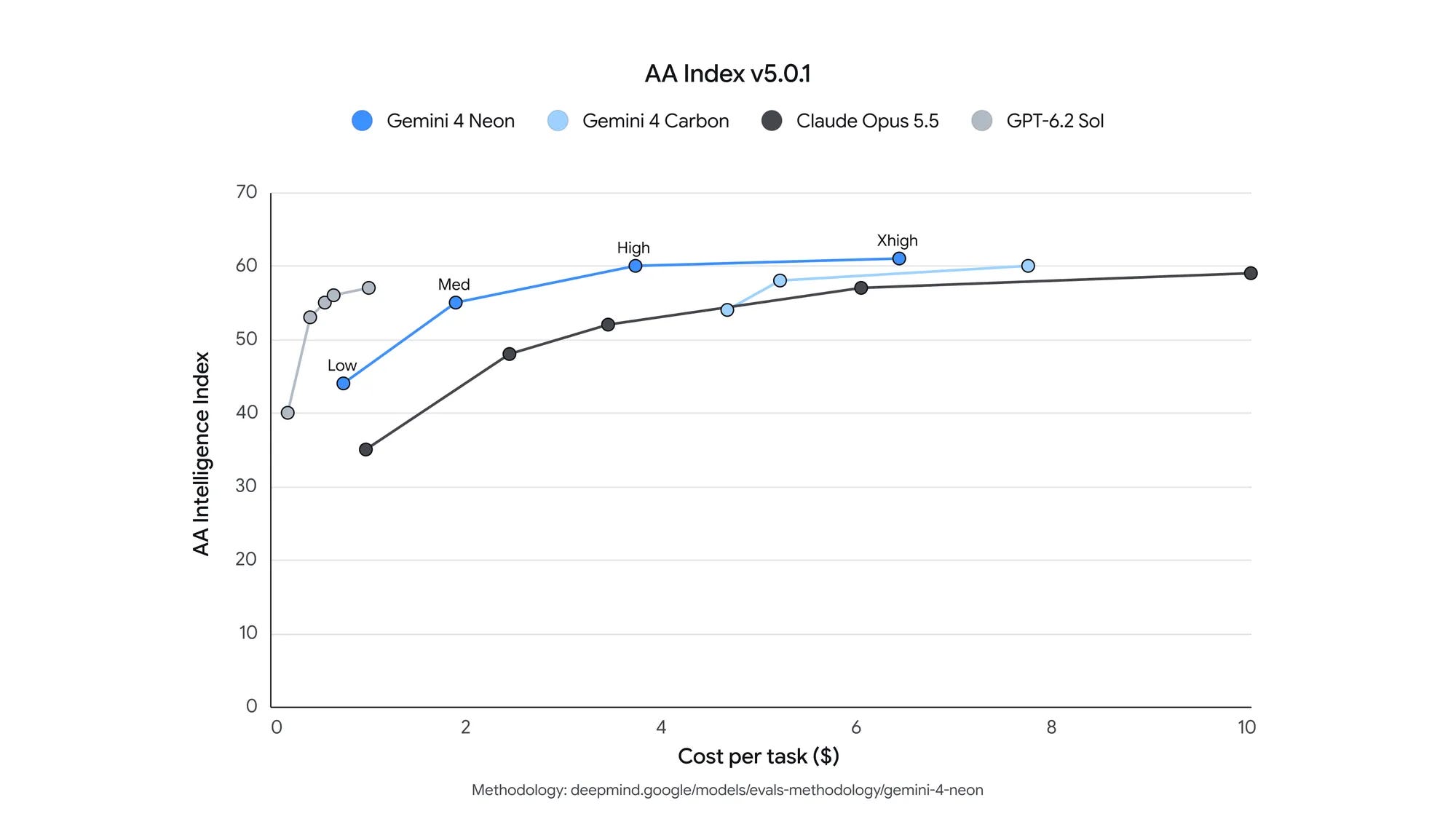
On the benchmarks, the two are very close. Neon is faster and cheaper. Neon beats Opus in some areas, and on the Artificial Analysis leaderboard it sits at number three, just above Opus 5.5.
That matched my own experience. I built a lot of things with it, and it felt as good as Opus. In some situations, I actually enjoyed using it more.
One thing I love about it is how pleasant it is to talk to. Its writing is excellent, and it explains things very clearly.
It’s much faster and cheaper
To keep the comparison fair, I ran both models through my software factory: the same pipeline of implement, review, revise, then open a pull request.
The implement stage is where most of the work happens, and the difference was big:
Opus 5.5: 8.3 million tokens, $6, 23 minutes
Gemini 4 Neon: 1.95 million tokens, $1, 15 minutes
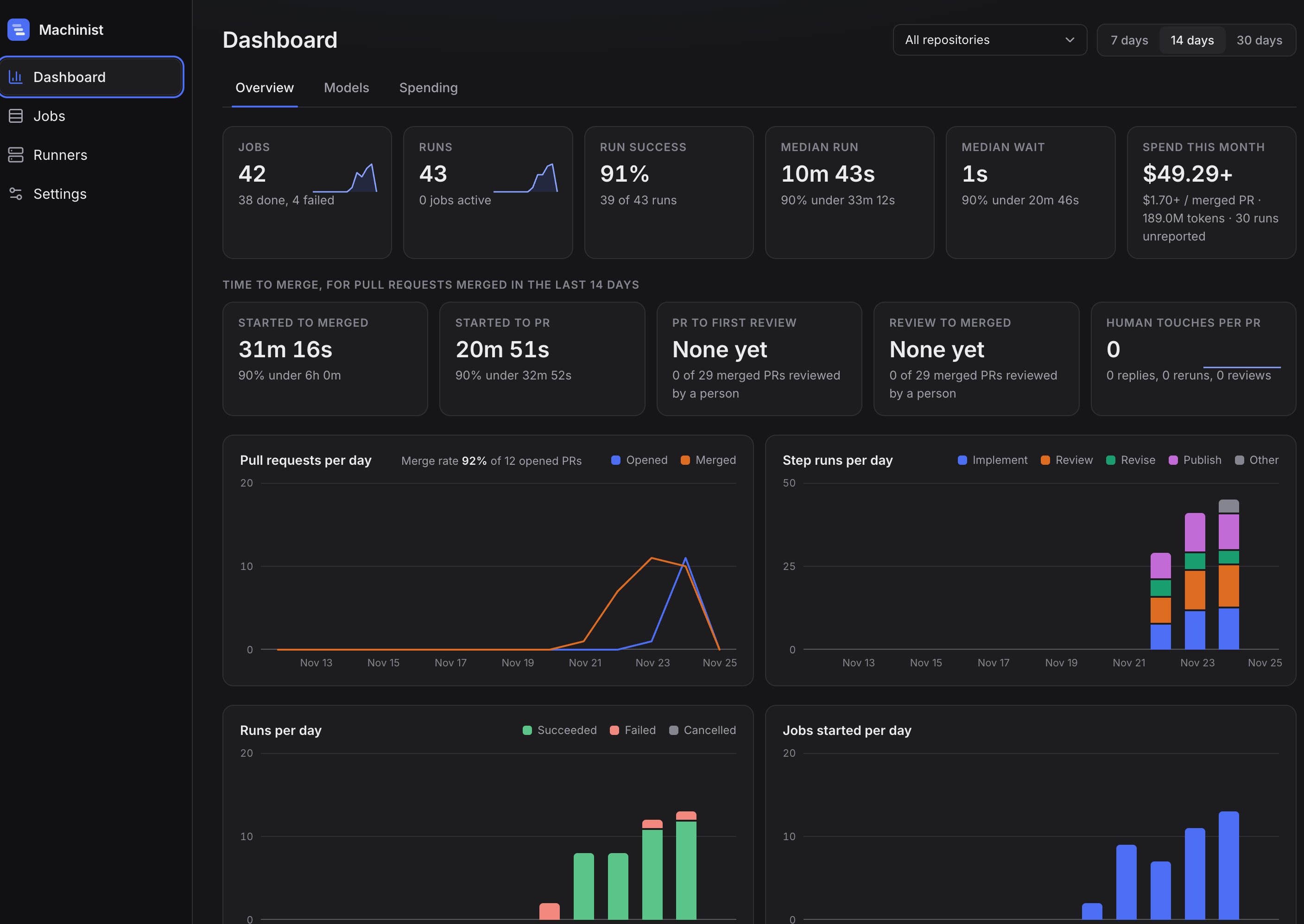
It wasn’t a clean sweep. On the small review stage, Neon took longer and cost a bit more. But across all my testing, Neon was consistently faster and cheaper.
It’s become my code reviewer
I just like its code reviews. So right now, inside my software factory, Opus 5.5 builds and Neon reviews, and I really like that setup.
How does it compare on design?
I had both models build a Typeform-style form builder from the same brief.
I preferred Neon’s version, which I didn’t expect. The Opus version looked like generic Claude slop to me. Neon’s felt more polished, and the form preview, with its keyboard shortcuts, felt very close to Typeform.
I wouldn’t pick a model from that, though. A one-shot demo isn’t a great test, because on a real app you’d iterate either way.
So why am I not switching?
The model is great. The tools around it are a bit behind.
To use Neon, you need Google’s Antigravity. The CLI is fine, and I’d happily use it, but the desktop app is missing some of the features I rely on in Claude Code.
Signing up was annoying too: you can’t use a business Google account, so I had to create a separate Gmail account just to try it.
And you can only pay for so many AI subscriptions, so it’s worth getting the choice right.
Final thoughts
If you have FOMO, don’t worry. All the frontier models are excellent now in different ways. I love GPT models for browser use, Claude models for coding and design, and now I’d happily recommend Gemini Neon as a serious option for coding and day-to-day work.
I’d be quite happy using it for everything. For now, I’m sticking with Claude Code and Codex, and I’ll keep testing Neon for a bit longer. These things change constantly, so I try not to get locked into one ecosystem.
Watch the full test, with both apps side by side here.
PS: If you want to learn this stuff with other developers building real software with AI, come join the AI Engineer community. I’m active there and happy to help with your projects.
Thanks for reading, and have a nice week.